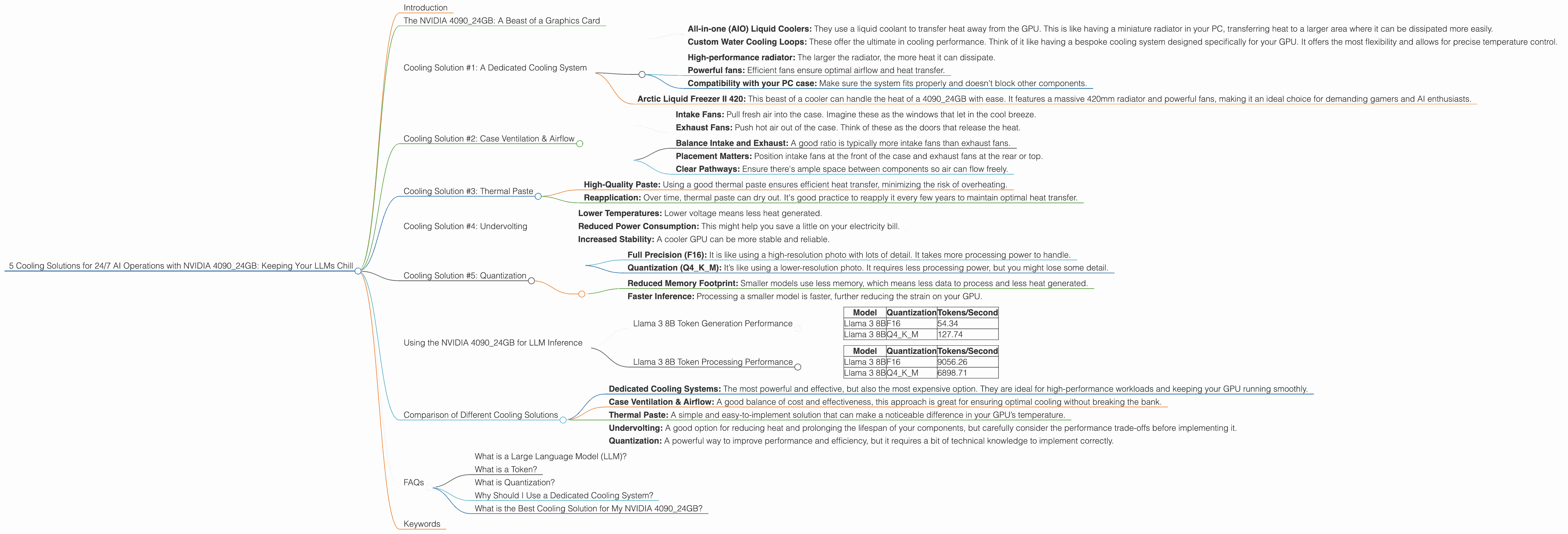
5 Cooling Solutions for 24 7 AI Operations with NVIDIA 4090 24GB
Introduction
Running large language models (LLMs) like the mighty Llama 3 can be a hot affair! Imagine this: you've just built a super powerful AI, but your PC's fan sounds like a jet engine taking off. This isn't just annoying, it can actually hurt your LLM's performance. Heat can lead to throttling, reduced speed, and even potential hardware damage.
Thankfully, there are some great cooling solutions for your NVIDIA 4090_24GB. It's like having a personal air conditioner for your AI! This article will show you how to keep your LLMs running smoothly and efficiently, no matter how many tokens they are processing.
The NVIDIA 4090_24GB: A Beast of a Graphics Card
Let's talk about our star player here, the NVIDIA 4090_24GB. This beast of a graphics card is the king of the hill when it comes to AI processing, particularly for large language models. It boasts a whopping 24GB of GDDR6X memory. That's enough space to load a whole library of LLMs!
But with power comes heat! The 4090_24GB is a real powerhouse, and it generates quite a bit of heat. Think of it like a Ferrari; powerful, fast, but you need to keep it cool to prevent overheating.
Cooling Solution #1: A Dedicated Cooling System
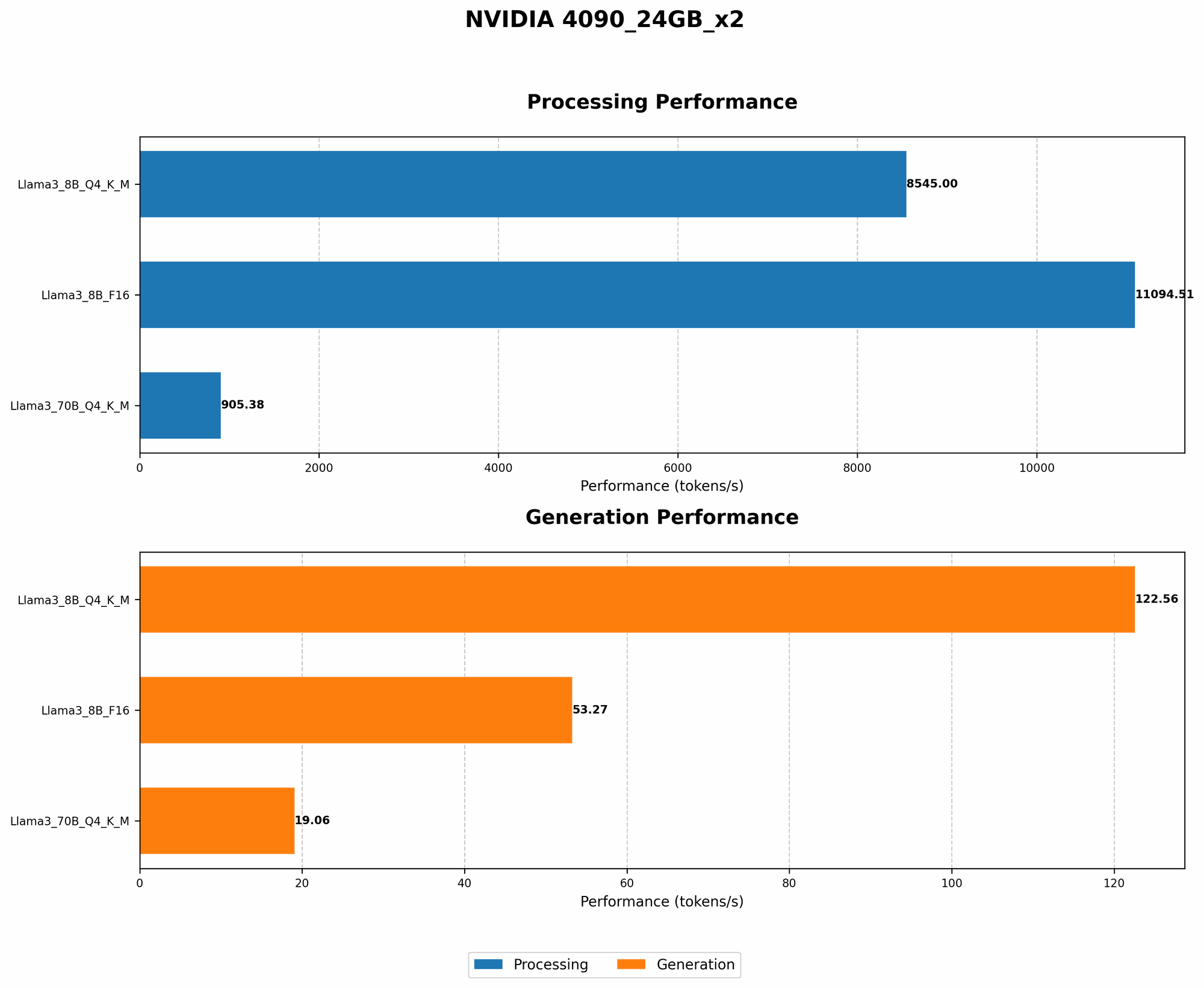
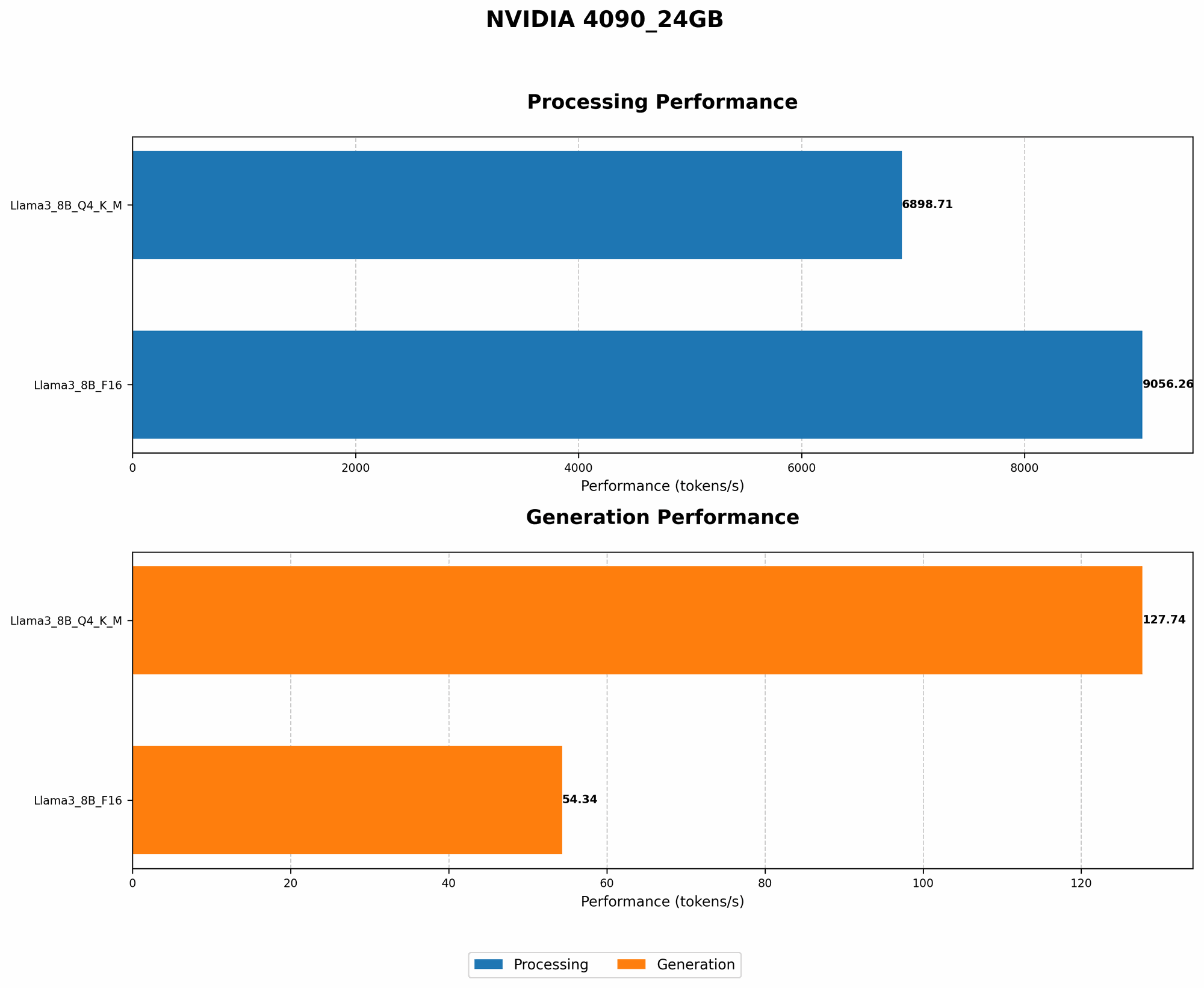
Think of this as the ultimate VIP treatment for your 4090_24GB. A dedicated cooling system is like hiring a team of personal assistants to keep your GPU cool, constantly monitoring its temperature and adjusting airflow.
Here's what makes a dedicated cooling system so effective:
- All-in-one (AIO) Liquid Coolers: They use a liquid coolant to transfer heat away from the GPU. This is like having a miniature radiator in your PC, transferring heat to a larger area where it can be dissipated more easily.
- Custom Water Cooling Loops: These offer the ultimate in cooling performance. Think of it like having a bespoke cooling system designed specifically for your GPU. It offers the most flexibility and allows for precise temperature control.
What to Look For:
When choosing a cooling system, look for one with the following features:
- High-performance radiator: The larger the radiator, the more heat it can dissipate.
- Powerful fans: Efficient fans ensure optimal airflow and heat transfer.
- Compatibility with your PC case: Make sure the system fits properly and doesn't block other components.
Example:
- Arctic Liquid Freezer II 420: This beast of a cooler can handle the heat of a 4090_24GB with ease. It features a massive 420mm radiator and powerful fans, making it an ideal choice for demanding gamers and AI enthusiasts.
Cooling Solution #2: Case Ventilation & Airflow
Imagine your PC case as a house. You need a good flow of air to keep things cool, and that's where proper ventilation comes in. Just like opening windows and doors in a house, adding fans to your case allows air to circulate, keeping your components cool.
- Intake Fans: Pull fresh air into the case. Imagine these as the windows that let in the cool breeze.
- Exhaust Fans: Push hot air out of the case. Think of these as the doors that release the heat.
Tips for Optimal Airflow:
- Balance Intake and Exhaust: A good ratio is typically more intake fans than exhaust fans.
- Placement Matters: Position intake fans at the front of the case and exhaust fans at the rear or top.
- Clear Pathways: Ensure there's ample space between components so air can flow freely.
Example:
Think of it like this: if you had a fan blowing directly on your GPU (like a computer fan), it would be like sitting directly under an AC vent - cool and refreshing.
Cooling Solution #3: Thermal Paste
Think of thermal paste as the glue that connects your GPU to the heatsink. Thermal paste helps transfer heat from the GPU die where all the processing happens to the heatsink, where it can be dissipated.
- High-Quality Paste: Using a good thermal paste ensures efficient heat transfer, minimizing the risk of overheating.
- Reapplication: Over time, thermal paste can dry out. It's good practice to reapply it every few years to maintain optimal heat transfer.
Example:
Think of your thermal paste as a bridge connecting your GPU to its cooling system. A good bridge ensures a smooth flow of heat away from your GPU, allowing it to cool down faster.
Cooling Solution #4: Undervolting
Think of undervolting as a low-energy diet for your GPU. It reduces the voltage supplied to the GPU, which in turn lowers its power consumption and reduces heat generation.
Benefits of Undervolting:
- Lower Temperatures: Lower voltage means less heat generated.
- Reduced Power Consumption: This might help you save a little on your electricity bill.
- Increased Stability: A cooler GPU can be more stable and reliable.
Important Note:
Undervolting can reduce performance, so it's often best to start with a small undervolt and adjust it gradually until you find a good balance between performance and cooling.
Example:
Imagine your GPU is like a car engine. Undervolting is like driving slower, which reduces the amount of fuel it consumes (heat and power) while still getting you where you need to go.
Cooling Solution #5: Quantization
This might sound like a complex term, but it's actually fairly straightforward. Quantization is like simplifying your LLM model, making it smaller and more efficient.
The result: Less processing power needed, leading to lower temperatures and energy consumption.
Think of it like this:
- Full Precision (F16): It is like using a high-resolution photo with lots of detail. It takes more processing power to handle.
- Quantization (Q4KM): It’s like using a lower-resolution photo. It requires less processing power, but you might lose some detail.
How Quantization Helps Cool Your GPU:
- Reduced Memory Footprint: Smaller models use less memory, which means less data to process and less heat generated.
- Faster Inference: Processing a smaller model is faster, further reducing the strain on your GPU.
Using the NVIDIA 4090_24GB for LLM Inference
Let's look at some real-world results. We'll focus on the NVIDIA 4090_24GB for this analysis, but know that other GPUs can also be used for LLM inference, though they might have different performance characteristics.
Llama 3 8B Token Generation Performance
| Model | Quantization | Tokens/Second |
|---|---|---|
| Llama 3 8B | F16 | 54.34 |
| Llama 3 8B | Q4KM | 127.74 |
As you can see, using Q4KM quantization significantly boosts the token generation speed, almost doubling the performance compared to F16. This is because the smaller model requires less processing power, allowing the GPU to run cooler and faster.
Llama 3 8B Token Processing Performance
| Model | Quantization | Tokens/Second |
|---|---|---|
| Llama 3 8B | F16 | 9056.26 |
| Llama 3 8B | Q4KM | 6898.71 |
Token processing times are also significantly impacted by quantization, indicating that while the Q4KM model is faster at generating tokens, the F16 model is more efficient in processing them. This difference can be attributed to the added overhead associated with quantizing the model for faster processing.
Comparison of Different Cooling Solutions
No single cooling solution is perfect; the ideal approach depends on your budget, your needs, and the specific workload. This is like choosing the right tools for the job.
- Dedicated Cooling Systems: The most powerful and effective, but also the most expensive option. They are ideal for high-performance workloads and keeping your GPU running smoothly.
- Case Ventilation & Airflow: A good balance of cost and effectiveness, this approach is great for ensuring optimal cooling without breaking the bank.
- Thermal Paste: A simple and easy-to-implement solution that can make a noticeable difference in your GPU’s temperature.
- Undervolting: A good option for reducing heat and prolonging the lifespan of your components, but carefully consider the performance trade-offs before implementing it.
- Quantization: A powerful way to improve performance and efficiency, but it requires a bit of technical knowledge to implement correctly.
FAQs
What is a Large Language Model (LLM)?
An LLM is a type of artificial intelligence (AI) that is trained on massive amounts of text data. Think of it as a super intelligent chatbot that can understand, generate, and translate human language.
What is a Token?
A token is a basic unit of information that is processed by an LLM. Think of it like a word or a part of a word.
What is Quantization?
Quantization is a technique used to reduce the size of a model. It's like making a high-resolution photograph into a smaller, less detailed version. This results in a faster and more energy-efficient model.
Why Should I Use a Dedicated Cooling System?
A dedicated cooling system is crucial for ensuring that your GPU runs at optimal performance. It helps dissipate heat efficiently, preventing throttling and potential damage to components.
What is the Best Cooling Solution for My NVIDIA 4090_24GB?
The best solution depends on your budget, needs, and technical expertise. A dedicated cooling system provides the best performance, while case ventilation and thermal paste are more affordable options.
Keywords
NVIDIA 409024GB, LLM Cooling, AI Cooling, GPU Cooling, Llama 3, Token Generation, Token Processing, Quantization, F16, Q4K_M, Undervolting, Airflow, Case Ventilation, Thermal Paste, Dedicated Cooling System, AIO liquid cooling, Custom Water Cooling